Monday, April 08, 2024

An Event of a Lifetime!


It was twilight. Birds were squawking and flying back to the trees. Dogs barked like crazy anticipating their evening stroll and dinner. Crickets started chirping. Streetlights and the front lights of houses came on, their light sensors triggered by the onset of darkness. The temperature dropped significantly. It could have been any evening, except that it was midday. It was the day of total solar eclipse. 


Solar eclipses are not a common occurrence, total solar eclipses more so. The last time a total solar eclipse occurred in Austin was in the year 1397, and the next one is not going to be till 2343. In other words, we can confidently say that no one who saw the last one is alive today, and no one alive today will be there for the next one. A solar eclipse is rare, truly the event of a lifetime. 


This solar eclipse is a rather special one, because there was an annular eclipse as a curtain raiser last October. Though it was only partial in Austin, the path of the annular eclipse was not too far from here. In fact, the path of these two eclipses overlap each other in a town a couple of hours west of Austin. These two eclipses coming one after the other created an unprecedented excitement among the public. 


Path of the Annular and Total Eclipses
 

The scientific community stoked the excitement through outreach events over the past many months. Personally, I had attended the STEM Girls Day in the University of Texas, Austin, as part of the Austin Astronomical Society, where we educated school kids about the eclipse and handed out over a thousand eclipse glasses. Bars hosted science trivia nights where I won a few goodie bags. There was even an eclipse themed stand-up comedy show. 


One particularly satisfying project was brought to Austin by Allyson Bieryla, Harvard University. The aim of the project is to get the Blind and Low Vision community experience solar eclipses by converting light into sound. The light intensity is converted into sound by the LightSound device and the change in intensity is depicted by a change in the musical tone. My daughter and I volunteered in assembling this units, which were then shipped across the country for use by the BLV community. 


I was also fortunate enough to be invited to talk about the eclipse with kids in a neighboring elementary school. I decided that I would use no technology and keep the session as a conversation. I am glad I held their attention the whole time. I was impressed by the knowledge they had and by their questions. I was glad that I had done enough homework before going in front of them and did not make a fool of myself. 


May be an image of 1 person, television and text
Sole use of tech was when a book was projected!


But the eclipse almost did not occur for us. The weather forecast predicted cloud coverage over most of central Texas, and in the last few days, there were predictions of rain right around the time of totality. The media stopped talking about how glorious the eclipse is going to be and began to discuss what would happen under a cloudy sky. The most expected event of the year was at the risk of literally being a damp squib. 


Our expectations were dialed down. The whole city was manifesting for some bit of the sky to clear to have a view of the eclipse. The day dawned with overcast skies. There were layers and layers of clouds. They were dark and thick and the possibility of seeing anything through them were remote. We braced ourselves for a disappointing day.  


Twas a cloudy day!


Then the universe decided to take pity on us. As the day progressed, a light wind started moving the clouds away. The eclipse started and the sun played hide and seek among the clouds. We were able to glimpse the first contact and then the moon starting to cover a part of the sun. Since our expectations were low, we were ecstatic even with the veiled view that we could get. 


Some Post Production Fun! 

Another look!


About fifteen minutes before totality, the clouds parted, and we had an unfettered view of the eclipse. We saw the sun reduced to just a crescent, Baily’s beads, the diamond ring and then totality. That was an amazing sight. It was then the birds went silent, the dogs stopped barking. The crickets chirped on merrily. It was surreal to see a twilight sky in the middle of the day. 


Totality! PC: My son Anshuman Garga

When the sun was completely covered, we could see the solar prominences. These are large loop like structures that extend from the surface of the sun. We could see Venus shining like a bright star. Jupiter was supposed to be visible, but it was behind the cloud cover. We tried looking for the Devil comet but could not see it. But for the small window, the sky was still overcast and so, we could not see a lot of stars. We felt the movement of the moon towards totality to be excruciatingly slow. But the totality did not last long enough, soon we saw third contact and the second diamond ring, and the journey of the moon across the sun continued. 


Solar Prominences! PC: Anshuman Garga


Diamond Ring! PC: Anshuman Garga


Venus!
 

As more and more of the Sun became visible, the clouds started coming back as well. Even as the moon raced past the face of the sun, our visibility became less and less and soon enough we were left with just an overcast sky. And within an hour from the end of the eclipse we had a short but heavy rainfall. 


Ready for some rains!

It was as if nature did not want to disappoint us and gave us a window to watch the show it put up for us. And what a show it was! I had to forsake all technology at some point and just immerse myself into experiencing this wonderful phenomenon. I was speechless when I saw the milky way the first time, and when I saw the rings of Saturn, and Jupiter and its four big moons. I felt the same today during totality. It was just a mind-blowing experience. 


I just felt lucky and fortunate to witness this celestial spectacle and I thank all those who made this experience memorable. My emotions are definitely not something that I can ever recreate with words but I just wanted to share it with you all.  


Tuesday, April 02, 2024

Friends in Concert!

A team of thirteen incredibly talented musicians performed early this year under this moniker. I am shamelessly borrowing the name for a reason.
 
Three of those thirteen, T.M. Krishna, H.N. Bhaskar and B. Sivaraman are touring the US, performing all across the country. Their second concert of the tour was in Austin on the 30th of March.


The feeling I had throughout this concert was that the three artists came together to create music for themselves, and the audience just happened to be there. And that this concert was not a performance aimed to just please the audience. It felt as if three friends happened to be together and decided to have some fun.
 
Yes, it was a full house. Yes, the audience were enthralled. Yes, it was a magical performance. But none of this mattered. The three musicians were in their own world. And they created music. Each one was inspired by the other and the inspiration was evident in the reactions and responses they gave each other. Krishna, at one point, even requested the audience to refrain from applauding in the middle of a song.  And that is why I decided to call it ‘Friends in Concert’!


The concert started with a short but unhurried Alapanai in Shankarabharanam that set the tone for the evening. And it was followed by the composition of Thyagaraja ‘Endukku Peddala’. The camaraderie amongst the three was evident right from the start. Despite being the first song of the evening, the composition was accorded all the respect it deserved and was sung in an expansive manner with Swarams and Neraval. Bhaskar’s responses were on point and egged Krishna to delve more and more into the ragam. As Krishna explored the higher octaves, Sivaraman played softly to enhance the effect of the singing. The audience was spellbound.
 
A Mukhari Alapanai was next. After a short and sweet reply from Bhaskar, Krishna launched into the Ashtapadi ‘Vadasiyadi Kinchidapi’. I am of the opinion that Ashtapadis and many other songs which are traditionally sung at the end of concerts are very beautiful and at that time, there is not enough time to explore their musicality. Ashtapadi being the second song of the concert and in Mukhari was a musical treat for me and I lapped it up. The entire rendition was at such a leisurely pace that brought out the sublime beauty of the raga.
 
In an era when everything is fast and provided in a capsule, it took the team almost one full hour to render these two songs. It gave the audience also the space to understand and enjoy the musicality in these compositions. Krishna was so taken in by the Mukhari that he kept coming up with Mukhari phrases before he finally started ‘Makelara Vicharamu’ in Ravichandrika. The brisk Swarams sung and played for this song were mesmerizing.


Up next was a moving rendition of ‘Enneramum Undhan Sannidhiyile’ in Devagandhari that left many in the audience teary eyed. Krishna requested Bhaskar to lead the next piece and Bhaskar started with an Alapanai of mellifluous Dwijavanthi. When it was his turn, Krishna made this to be a Thanam and requested Bhaskar to change the ragam and make this a Ragamalika Thanam. The Thanam moved from Dwijavanthi to Mohanam to Mohana Kalyani before he ended it by traversing through the ragams in reverse order and finishing with Dwijavanthi.
 
A very elaborate ‘Ninnuvinaga Mari’ in Poorvi Kalyani was up next. Sivaraman got the chance to showcase his skills during this song and received thunderous applause for his efforts from the audience and from his compatriots on stage. A Kannada Shlokam (I am not sure of the lyrics and don’t want to butcher the words) in Ananda Bhairavi and Hamsadhwani, and the song “Thandhey Neevu Thaayee Neevu’ followed it.
 
He then sang ‘Nee Mattume’ in Kaapi. This is my favorite one from the Perumal Murugan and TMK partnership and every time I hear this song it just gets better. Needless to say, the crowd too lapped this one up. To conclude the concert, TMK first sang a verse by Acharya Vinoba Bhave, ‘Om Tat Sat’, a wonderful song that reinstates the existence of One God, by whatever name He is referred by. And very aptly followed it with Mahatma’s favorite poem ‘Vaishnava Janato’,  bringing the concert to a very serene finish.
 
For a moment there was complete silence before the packed hall stood up in unison and gave the artists a standing ovation. But they wanted more. As if a switch was turned on, everyone sat down again with an expectant look on their faces. Krishna was overwhelmed by the reaction and said he would sing one more short song.
 
A variety of composers were covered in the concert, but one conspicuous absence was that of my favorite, Dikshitar. He finally made a guest appearance of sorts with this bonus song. Krishna sang a Nottuswaram I had not heard before, ‘Kanchisham Ekamra Nayakam’! I wonder how a single person has managed to create such a corpus of musical wealth; I am always in awe of the man’s genius. This song had the crowd clapping in tune to the different speeds in which the song was sung.
 
Three hours flew by. Both the artists and the audience were ready for more. But the team had a flight early the next morning and hence the evening reluctantly came to an end. I know I am a fanboy but even discounting my apparent bias, this was one of the best concerts I have attended in Austin.
 
TMK’s students Tanmayee and Madhav provided support on Tampura and had the best seats to imbibe the magic that unfolded on stage. I would like to make a special mention about the trouble-free sound through the concert and appreciate the sound team at the venue for that.
 
This is the second time I am listening to TMK in Austin, in the last three years, thanks to ICMCA. My sincere thanks to them for arranging this concert. The next one in Texas is slated on April 14th in Dallas and I am looking forward to attending that. 

Insha Krishna!!


Tuesday, March 26, 2024

Basheer Ahmed Sayeed, Habibullah Badsha and the Madras Music Academy


I spend as much time listening to as many lecture demonstrations about Carnatic music as I spend listening to the music itself. I do not understand everything that is discussed but even the little I understand has helped me appreciate the music and its evolution better. There are two friends of mine, incidentally both named Shriram / Sriram, who entertain and educate us through their presentations. 


Violin Maestro R.K. Shriram Kumar tends to explain the nuances of the compositions and music of different composers, while historian V. Sriram brings to us the history associated with the music and history, in general. I have no qualms in saying that my understanding and appreciation of Carnatic music has been greatly enhanced by what these two and a few others have shared. Sriram has also penned a number of books relating to music and history. 


Because of the social circles I am in, I am exposed to the current controversy in the Carnatic music field even if I try to actively avoid it. And I had come across one of the many missives that are exchanged in which the executive committee was accused of exclusively brahmin. It triggered a memory of one of Sriram’s lecture. This lecture was about some of Chennai’s lawyers and their cultural influence. 


In that lecture Sriram talks about Justice Basheer Ahmed Sayeed. Born in Mylapore, Justice Sayeed was a man of many dimensions. In addition to being a judge of the Madras High Court, he was a member of the Madras Legislative Council and played an active role in the management of New College in Chennai. After a tiff with that college, he founded the South Indian Education Trust, popularly known as SIET and the trust to this day has played a major role in education. He was also a long-standing committee member and an office bearer in Madras Music Academy. He was the founder Vice President of the Academy.  Sriram mentions that he was the longest serving Vice President of the Academy and had a tenure that spanned almost fifty years.


Basheer Ahmed Sayeed


Justice Sayeed was instrumental in Music Academy acquiring the premises where its auditorium stands today. In 1945, when the search for land for the Academy was on, a small plot in Thiruvallikkeni was first identified. It was Justice Sayeed who pushed for the Academy to acquire a much larger, twenty-seven ground property to build its auditoriums. So, the very physical existence of the Academy is because of a Muslim office bearer. 


If it was Justice Sayeed who played his hand in the Academy acquiring this property, it was another eminent Muslim lawyer, Habibullah Badsha, who ensured that it remained with the Academy. During the late 1990s, there was a plethora of cases that were filed against the Academy threatening its very existence. It was the result of brilliant work done by Mr. Badsha in defending the Academy that it continued to function in its current form. He managed to prevent the taking over of the Academy by the Government and all the other cases against it disposed of. He too was a long-standing member of the executive committee and served as its Vice President as well. 


 Habibullah Badsha


I am aware of the role played by these two gentlemen and their contribution through the lectures of Sriram that I had listened to. Am sure that there would be many other hailing from the Muslim and Christian community who were part of the Academy at various times. 


A cursory look at the current committee does show that it is not made exclusively of people from the Brahmin community, as claimed in the missive. Even more so if one considers the advisory committee. But there is a lack of diversity, which is seems to be of recent origin and this goes to the root cause of the current controversy. Making Carnatic music available to everyone through active outreach, would create interest among the sections of the population where the current interest levels are low. Only through active outreach can the transformation happen in both the creative as well as the management side of this art and not just by token representations.   


  1. Sriram’s lecture, ‘Some Lawyers of Madras and their cultural influence’ - https://youtu.be/eCXWSr5clk8?si=qefsfrmoT8ULXonR&t=3072
  2. A blog about Music Academy’s home – ‘The story of Sweet Home’ - https://sriramv.com/2020/10/26/the-story-of-sweet-home/
  3. Biography of Habibullah Badsha – ‘When Mercy Seasons Justice’ - https://habibullahbadsha.com/Habibullah-Badsha-When-Mercy-Seasons-justice.pdf
  4. The composition of the current committee - https://musicacademymadras.in/committee/


Friday, January 12, 2024

பெரு(ம்) பயணம் - 12


டாம்போபாட்டா ஆராய்ச்சி மையம். டாம்போபாட்டா வனப்பகுதியில், மனிதர் வசிப்பிடத்தில் இருந்து மிகவும் விலகி இருக்கும் விடுதி. முன்பே சொன்னது போலப் படகில் சென்று, படகுத்துறையில் இருந்து காட்டின் உள்ளே நடந்து சென்று அடைய வேண்டிய இடம். சுற்றிலும் காடு, பறவைகளின் சத்தம், பறந்து கொண்டே இருக்கும் பட்டாம்பூச்சிகள் என்ற இயற்கை சூழல். இங்கு நமக்கு ஒரே ஒரு வேலைதான். காலையும் மாலையும் அங்கிருக்கும் ரப்பர் காலணிகளை மாட்டிக் கொண்டு காட்டுக்குள் நடந்து செல்ல வேண்டியதுதான். 


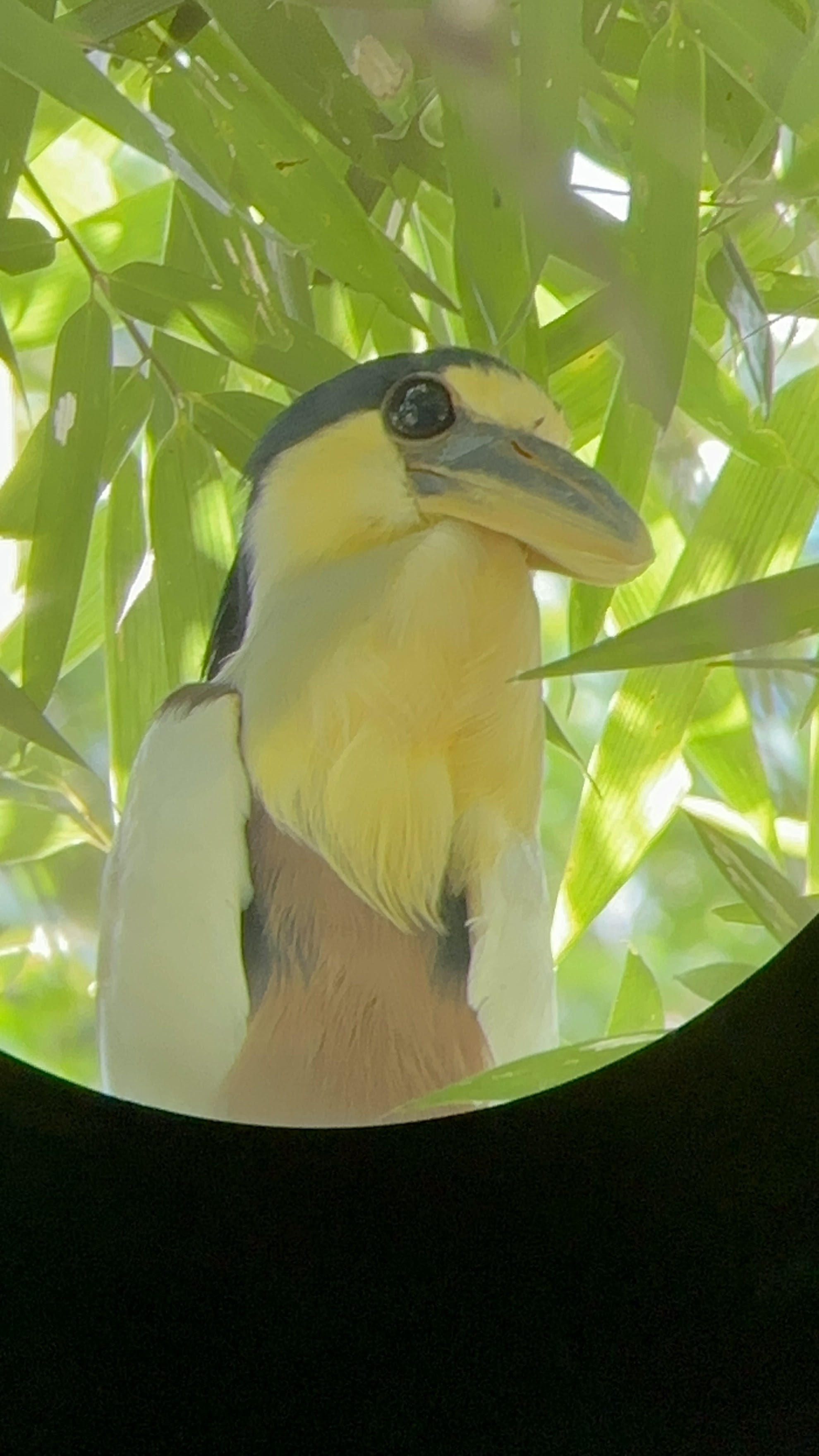
கையில் தொலைநோக்கியோடு எரிக் முன் செல்வார். பலியாடு மாதிரி நாம் சத்தம் போடாமல் பின்னால் போக வேண்டும். திடீரென்று நிற்பார். வெறும் மரங்கள்தான் நம் கண்ணுக்குத் தெரியும். ஆனால் அவர் எப்படியே அதில் இருக்கும் குரங்குக் கூட்டத்தைப் பார்ப்பார், மரங்கொத்திப் பறவையைப் பார்ப்பார், நமக்குச் சுட்டிக் காட்டுவார். அவர் காட்டிய பின்புதான் அது நமக்குத் தெரியும். தொலைநோக்கியைத் தயார் செய்து நமக்குப் பார்க்க வசதி செய்து தருவார். அதன் மூலம் நம் கைபேசிகளில் படமெடுத்தும் தருவார். கொஞ்சம் தள்ளி வந்து நாம் பார்த்த விலங்கினைப் பற்றி விபரம் சொல்வார். நானூறு ஐந்நூறு வருடங்களாக இருக்கும் பிரம்மாண்டமான மரங்கள், பல வகைக் குரங்குகள், பறவைகள், அவற்றின் கூடுகள், அவற்றில் முட்டைகள், சிலந்திகள், இலையை வெட்டிக் கொண்டு செல்லும் எறும்புகள் எனப் பெரிய விலங்குகளில் இருந்து சிறு பூச்சிகள் வரை பலவற்றை நம்மால் பார்க்க முடியும். 


ஆனால் ஒன்றை மனத்தில் இருத்திக் கொள்ள வேண்டும். அமேசான் போன்ற மழைக்காடுகளில் விலங்குகளைப் பார்ப்பது ஆப்ரிக்கச் சமவெளிகளில் பார்ப்பது போல இல்லை. கூட்டம் கூட்டமாக விலங்குகள் நிற்கும், போகும் பொழுதெல்லாம் பார்க்கலாம் என்பது மழைக்காடுகளில் கிடைக்காது. அடர்த்தியாக இலைகள் அமைத்த விதானத்தினுள் மறைந்திருக்கும் விலங்குகளும் பறவைகளும். பார்ப்பது கடினம்தான். தொலைக்காட்சிகளில் பார்ப்பது போலத் தெளிவாகத் தொடர்ந்து பார்ப்பது அபூர்வம்தான். மின்னல் போலத் தோன்றி மறைந்து விடுகின்றன. நம்மால் பார்க்க முடிந்தது நமக்குப் பின் வரும் குழுவினருக்குப் பார்க்கக் கிடைக்காது. இந்தப் புரிதல் இல்லை என்றால் ஏமாற்றம்தான் மிஞ்சும். 


நடந்து போய்ப் பார்ப்பது போதாது என்று படகில் சென்று கரையோரம் இருக்கும் விலங்கினங்களைப் பார்த்தோம். எங்கள் படகு முன்னால் சென்றது. பின்னால் மற்றுமொரு படகு வந்தது. நாங்கள் தாண்டிச் சென்ற ஒரு பகுதியில் அவர்கள் பார்ப்பதற்கு அரிய ஜாகுவார் என்ற புலி போன்ற விலங்கினைப் பார்த்தார்கள். ஆனால் நாங்கள் படகைத் திருப்பிக்கொண்டு அந்த இடம் வருமுன் அது காட்டுக்குள் சென்றுவிட்டது. இது போலக் கிடைத்தால் உண்டு இல்லை என்றால் இல்லை என்ற புரிதலோடு இங்கு வருவது நல்லது. 


காலையிலும் மாலையிலும் பார்த்த காடு இரவில் எப்படி இருக்கும்? இரவுநேரத்தில் உலாவும் விலங்குகளைப் பார்க்க முடியுமா? இந்தக் கேள்விகளோடு ஓர் இரவு காட்டுக்குள் நடந்து சென்றோம். காரிருள், பூச்சிகளின் இரைச்சல், தொலைவில் கேட்கும் ஆந்தையின் அலறல் என வித்தியாசமான முகத்தைக் காண்பித்தது காடு. டாரண்டுலா சிலந்திகள், வண்ணமயமான தவளைகள் எனப் பகலில் பார்க்க முடியாதவற்றை இரவில் பார்க்க முடிந்தது. ஒரு சிலந்தி அதன் வலையில் இருப்பதைத்தான் பொதுவாகப் பார்ப்போம். ஆனால் இருநூறு முந்நூறு சிறு சிலந்திகள் சேர்ந்திருக்கும் வலையினைக் காண்பித்தார் எரிக். ஆந்தைகளைக் கேட்கத்தான் முடிந்ததே தவிரப் பார்க்க முடியவில்லை. இரவில் காட்டுக்குள் சென்றது வித்தியாசமான அனுபவம். புகைப்படங்களைப் பகிர்ந்திருக்கும் தளத்தில் ஒரு விடியோவை இணைத்திருக்கிறேன். விளக்கை அணைத்தால் ஒன்றுமே தெரியாத கும்மிருட்டையும் அப்பொழுது கேட்கும் ஒலிகளையும் அந்த விடியோவில் பார்க்கலாம், கேட்கலாம். 


நாங்கள் இருந்த நாட்களில் எல்லாம் மழை கொட்டப் போகிறது என்று பயமுறுத்திக் கொண்டே இருந்தது கருமேகங்கள் சூழ்ந்த வானம். கடைசி தினத்தன்றுதான் வானத்தைப் பார்க்க முடிந்தது. அன்று இரவு வானம் அவ்வளவு அழகாக இருந்தது. செயற்கை வெளிச்சமே இல்லாத இடமென்பதால் ஏராளமான நட்சத்திரங்களைப் பார்க்க முடிந்தது. பூமியின் வடபகுதியில் பார்க்க முடியாத தென்சிலுவை என்ற நட்சத்திரக் கூட்டத்தைப் பார்க்க முடிந்தது சிறப்பான அனுபவம். 


இப்படி இரண்டு நாட்களை மனித நாகரிகத்தின் சுவடே இல்லாத இடத்தில் கழித்துவிட்டு கொஞ்சமும் மனதே இல்லாமல் வீடு திரும்புவதற்கானப் பயணத்தைத் தொடங்கினோம். விடுதியில் இருந்து படகுத்துறைக்கு நடை, அங்கிருந்து பிலடெல்பியாவிற்குப் படகு, பிலடெல்பியாவில் இருந்து புயெர்த்தோ மால்டனாடோ விமானநிலையத்திற்குப் பேருந்து, அங்கிருந்து லீமாவிற்கு விமானம், லீமாவிலிருந்து பனாமா சிட்டி வழியாக மீண்டும் ஆஸ்டின் என நெடும்பயணம் செய்து வீடு வந்தடைந்தோம். 


பெருவின் தென்பகுதியின் இருக்கும் பூனோ நகரத்திற்குச் சென்று, அங்கிருந்து டிட்டிக்காக்கா ஏரியைச் சென்று பார்க்க வேண்டும் என்று நினைத்தோம். ஆனால் இதுவரை பார்த்த இடங்களுக்கே இரண்டு வாரங்கள் தேவைப்பட்டதால் அங்கு போக முடியவில்லை. டிட்டிக்காக்கா மிகப்பெரிய ஏரி. கிட்டத்தட்ட எண்பத்து மூவாயிரம் சதுர கிலோமீட்டர்கள் பரப்பளவில் கடல் போல விரிந்துள்ளது இந்த ஏரி. கடல்மட்டத்தில் இருந்து பன்னிரண்டாயிரத்து ஐந்நூறு அடி உயரத்தில் பெருவிற்கும் பொலிவியாவிற்கும் இடையே அமைந்துள்ளது. உலகிலேயே பெரிய படகுகளைச் செலுத்தக்கூடிய ஏரிகளில் உயரமானது இதுதான் எனக் கருதப்படுகிறது. இன்கா இனத்தவரின் பூர்விகம் இதுதான். இங்குள்ள பழங்குடியினர் கோரைப்புற்களினால் செய்த செயற்கை தீவுகளில் வாழ்ந்து வருகின்றனர். இந்தப் பகுதியைப் பார்க்க முடியாமல் போனதில் கொஞ்சம் வருத்தம்தான். 


சாப்பாட்டைப் பற்றிப் பேசவில்லையே. லீமாவைப் பொருத்தவரை பெரிய நகரம் என்பதால் எல்லா விதமான உணவு வகைகளும் கிடைக்கின்றன. இங்கு Raw Cafe என்ற வீகன் உணவகத்தில் சாப்பிட்டதும் மந்த்ரா என்ற இந்திய உணவகத்தில் சாப்பிட்டதும் குறிப்பிட்டுச் சொல்லக் கூடியவை. 


கூஸ்கோ பகுதியில் பாரம்பரிய உணவு வகைகள் நன்றாக இருந்தன. ஓயான்டைடாம்போ விடுதியில் அவர்களே விளைவிக்கும் காய்கறிகள் கொண்டு சமைத்த உணவு வகைகள் குறிப்பிடத்தக்க வகையில் இருந்தன. கூஸ்கோ நகர்ப்பகுதியில் Guinea Pig என்று அழைக்கப்படும் முயல் போன்ற விலங்கினையும் அல்பாகாவையும் உண்பது உள்ளூர் மக்களின் பழக்கமாக இருக்கிறது. பல வகை உருளைக்கிழங்குகளையும் சோளங்களையும் உணவில் சேர்த்துக் கொள்கின்றனர். கருஞ்சிவப்பு நிறத்தில் இருக்கும் சோளத்தில் இருந்து தயார் செய்யப்படும் சிச்சா மொராடா என்ற பானத்தை அனைவரும் விரும்பிக் குடிக்கின்றனர். 


இங்கு கார்வால் இந்திய உணவகத்தில் உணவு வகைகள் நல்ல ருசியோடு இருந்தன. இந்த உணவகத்தை நடத்தி வரும் அமித் என்பவர் நன்றாகப் பேசிக் கொண்டு இருந்தார். இவர்களின் உணவகத்தில் அல்பாகா பிரியாணி கூடக் கிடைக்கிறது. அமேசான் காட்டுப் பகுதியில் இயன்றவரை ருசியாகச் செய்த உணவுப்பண்டங்களை அளித்தார்கள். சைவ உணவு உண்பவர்களுக்காக விசேஷ கவனம் எடுத்துக் கொண்டார்கள். 


சுற்றுலாவை நம்பி இருக்கும் நாடு என்பதால் உணவிலோ மற்றவற்றிலோ குறிப்பிட்ட தேவைகள் இருப்பின் முதலிலேயே சொல்லிவிட்டோம் என்றால் சரியான ஏற்பாடுகளைச் செய்து விடுகிறார்கள். நம்மால் எவ்வளவு தூரம் நடக்க முடியும், உயரத்தால் வரும் உடற்சிக்கல்கள் என எல்லாவற்றையும் கணித்து அதற்கு ஏற்றாற் போலத் திட்டங்களை ஒருங்கிணைக்கிறார்கள் வழிகாட்டிகள். எந்த வித அசௌகரியங்களும் நேராமல் பார்த்துக் கொள்கிறார்கள். 


வீட்டை விட்டு வந்து இரண்டு வாரங்கள் போனதே தெரியவில்லை. மிகச் சுவாரசியமான பயணம். வழிகாட்டிகள் கொட்டிய தகவல்களால்தான் இந்தத் தொடரை எழுதவே தோன்றியது. பெருநகரம், பாலைவனம், மலைகள், காடுகள் எனப் பலவித அனுபவங்களை அடைய முடிவதும் தொன்மையான வரலாற்றைப் பற்றி அறிந்து கொள்ளவும் முடிவதும் பெருவின் சிறப்பு. கட்டாயம் பார்க்க வேண்டிய இடம். 


என்னோடு இந்த பெரு(ம்) பயணத்தில் உடன் வந்த உங்கள் அனைவருக்கும் என் நன்றி. 


பிகு: புகைப்படங்கள் எல்லாம் நம் கைவண்ணம்தான். மேலும் பலப் புகைப்படங்கள் இத்தளத்தில் உள்ளன -  அமேசான் புகைப்படங்கள் 


Thursday, January 11, 2024

பெரு(ம்) பயணம் - 11


யானை தன் தலையில் தானே மண்ணை வாரிப் போட்டுக் கொள்ளும். மனிதர்கள் தவறிழைக்கும் பொழுது தம் தலையில் மண்ணை வாரிப் போட்டுக் கொள்ளுவதாகச் சொல்வார்கள். ஆனால் யானை தன் மீது மண்ணையும் சேற்றையும் போட்டுக் கொள்வது பூச்சிகளின் கடியில் இருந்து தப்ப என்தற்காகவே. ஆனால் கிளிகள் மண்ணை உண்பது பற்றிக் கேள்விப்பட்டு இருக்கிறீர்களா? இன்று முதலில் அதைத்தான் பார்க்கப் போகிறோம்.  


டாம்போபாட்டா காடுகளின் இயற்கை வளம் அதியற்புதமானது. அறுநூறு வகைப் பறவைகள், இருநூறு வகைப் பாலூட்டிகள், ஆயிரம் வகை வண்ணத்துப்பூச்சிகள், பத்தாயிரத்துக்கும் மேலான வகை மரம் செடி கொடிகள், எண்ணிலடங்கா வகை பூச்சிகள் என இங்கிருக்கும் உயிர்கள் பற்றிச் சொல்லிக் கொண்டே போகலாம். கழுகுகள், பருந்துகள், வல்லூறுகள், டூகான்கள், மக்காவ்கள், கிளிகள் என நாங்களே பலவிதமான பறவைகளைப் பார்த்தோம். கிளிகளில் மட்டும் முப்பத்தியிரண்டு வகையும் ஆறு வகை மக்காவ் கிளிகளும் இங்கு உள்ளனவாம்.


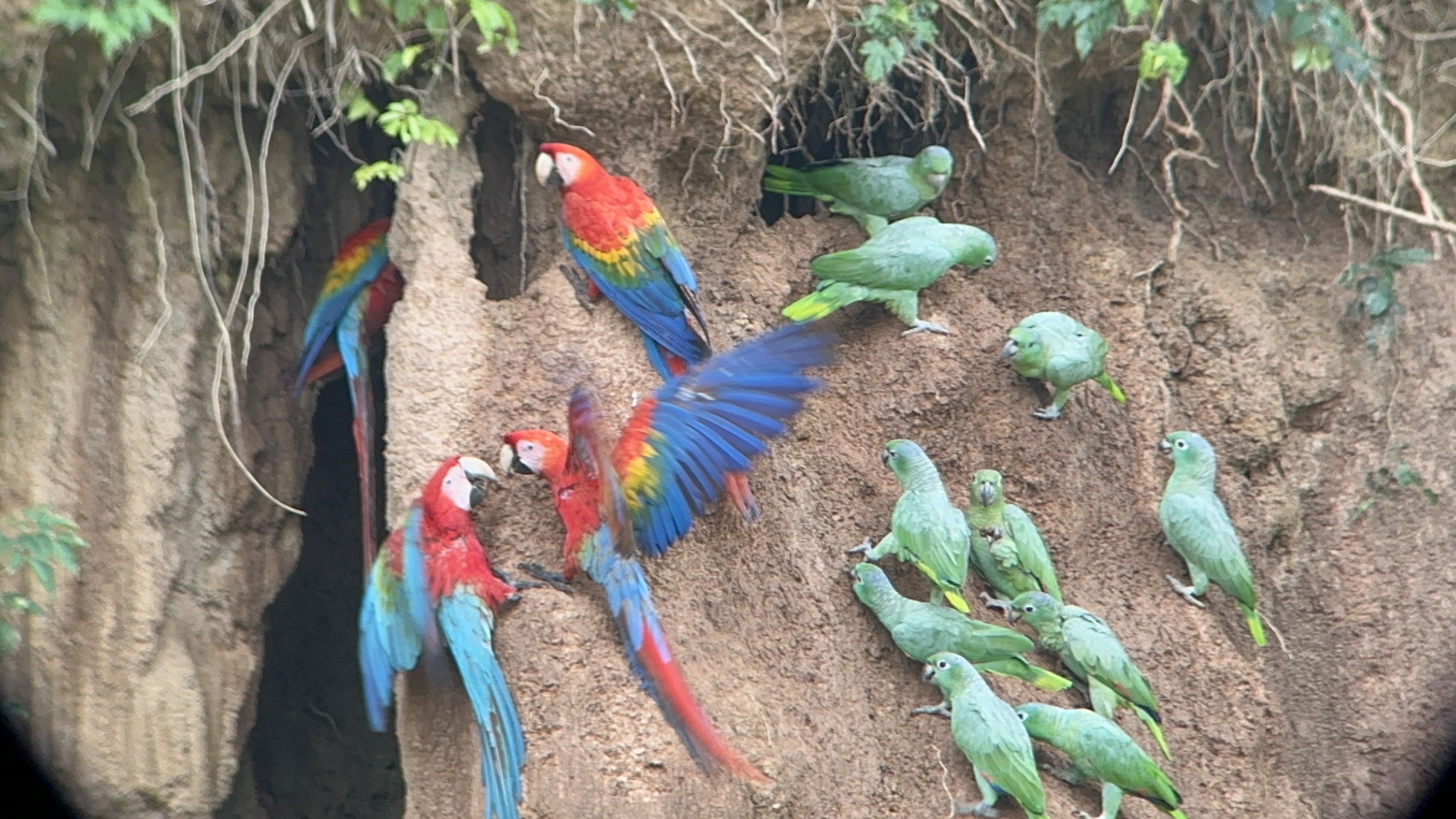
டாம்போபாட்டா நதியின் கரைகள் களிமண்ணால் ஆனவை. அந்நதியின் நீரோட்டம் அதன் கரைகளை மெதுவாகக் கரைத்து சுவர் போலச் செய்கிறது. சமயத்தில் நீரோட்டத்தின் பாதை மாறும் பொழுது இந்தச் சுவர்கள் அப்படியே விடப்பட்டுவிடுகின்றன. ஒவ்வொரு தினமும் காலைப் பொழுதில் கிளிகளும் மக்காவ்களும் இப்படி சுவராய் நிற்கும் இடங்களுக்கு வந்து தங்கள் அலகினால் கொத்திக் கொத்திக் களிமண்ணை உண்கின்றன. இந்த இடங்களை க்ளே லிக்ஸ் (Clay Licks) என்று அழைக்கின்றனர். க்வெட்சுவா மொழியில் இவற்றுக்குப் பெயர் கொய்பா (Collpa). அப்படி ஒரு இடத்தைப் பார்க்கத்தான் விடிகாலையிலேயே எழுப்பி எங்களை அழைத்துச் சென்றார் எரிக். 


இங்கு வருவதற்கு நாங்கள் தங்கி இருந்த இடத்தில் இருந்து ஆற்றின் ஓட்டத்தை எதிர்த்து இரண்டரை மணி நேரம் படகில் பயணம் செய்ய வேண்டும். முதலில் வந்திறங்கிய பிலடெல்பியாவிற்குத் திரும்ப வந்து அதைத் தாண்டி தொடர்ந்து எதிர்த்திசையில் செல்கின்றது இந்தப் பயணம். காலைப் பொழுதில்தான் பறவைகள் இங்கு கூடும் என்பதால் விடிகாலையிலேயே கிளம்பிச் சென்றோம். இருளில் காட்டு வழி நடந்து படகுத்துறையை அடைந்து, அந்த இருளிலேயே பயணத்தைத் தொடங்கினோம். மழைக்காலம் என்பதால் பெய்திருந்த மழையில் அடித்து வரப்பட்ட மரங்கள் ஆற்றில் மிதந்து கொண்டே இருந்தன. அந்த இருளில் எப்படியோ இந்த மரங்களை எல்லாம் தவிர்த்து பாதுகாப்பாக படகினைச் செலுத்தினார் அப்படகின் ஓட்டுநர். சென்று கொண்டிருந்த பொழுதே பொலபொலவென விடிந்தது. அந்த வெளிச்சத்தில் நிசப்தமான காட்டையும் விரைந்தோடும் நதியையும் பார்ப்பதற்கு அத்தனை அழகாக இருந்தது.


படகு க்ளே லிக் பகுதியை அடையும் முன் கொஞ்சம் உயிரியல் பாடம் படிக்கலாம். கிளிகள் ஏன் களி மண்ணை உண்கின்றன? குழந்தைகள் கையில் கிடைத்ததை எல்லாம் வாயில் வைத்துக் கொள்வார்கள். மண்ணைத் தின்னும் கண்ணன் என்கின்ற நம் மரபுக் கதைகள். ஆனால் மண்ணைத் தின்னும் கிளிகள் பற்றி நாம் கேள்விப்பட்டதில்லையே. இதே கேள்வி எழுந்த விஞ்ஞானிகள் அது குறித்து ஆராய்ச்சி செய்தனர். கிளிகள் நாள் முழுதும் இக்காட்டில் விளையும் பழங்களையும் கொட்டைகளையும் தங்கள் உணவாகக் கொள்கின்றன. இவற்றில் டேனின் (Tanin) என்ற வேதிப்பொருள் இருக்கின்றது. இந்த டேனின் ஒரு நச்சுப் பொருள். அதிகம் உட்கொண்டால் அதனால் வயிறு சம்பந்தப்பட்டக் கோளாறுகள் வரும். வயிற்றில் களிமண் இருந்தால் அது ஸ்பாஞ்சைப்போல இந்த டேனினை உறிஞ்சிக் கொள்கிறது. கிளிகள் எச்சமிடும் பொழுது இந்தக் களிமண் வெளியே வந்துவிடுகிறது, அம்மண்ணோடு சேர்ந்து டேனினும் வெளியே வந்துவிடுகிறது. இதனால்தான் பழங்களை உண்ணக் கிளம்பும் முன் கிளிகள் முதலில் களி மண்ணை உண்கின்றன. இயற்கை இந்த உயிரினங்களுக்கு தங்களைப் பாதுகாத்துக் கொள்ள இப்படி ஓர் அறிவை அளித்திருக்கிறது. 


அது மட்டுமில்லாமல் இந்தப் பகுதி கடலில் இருந்து வெகுதொலைவில் இருப்பதால் இங்குள்ள உயிரினங்களுக்கு உப்புச் சத்து (Sodium) கிடைப்பது கடினம். இந்தக் களிமண்ணில் இருந்து இவற்றிக்கு உப்புச் சத்தும் கிடைக்கிறது. அதனால்தான் காபிபாரா (Capybara) போன்ற பாலூட்டிகளும் கூடக் களிமண்ணை உண்கின்றன என்கிறார்கள் இந்த ஆராய்ச்சியாளர்கள். இங்கு களிமண்ணை உண்ண வரும் பறவைகளையும் மற்ற விலங்குகளையும் வேட்டையாட பிற விலங்குகளும் கூட இங்கே வரும். 


இது பற்றி இணையத்தில் தேடிப் பார்க்கும் பொழுது இதே காரணங்களுக்காக உகாண்டாவில் உள்ள சிம்பன்ஸிக் குரங்குகளும் களிமண்ணையும் கரையான் புற்றுகளின் மண்ணையும் தின்கின்றனவாம். அது மட்டுமில்லை, அந்தப் பகுதியில் உள்ள பழங்குடி இனப் பெண்கள், வயிற்றுவலியின் போது பிரசவ காலத்திலும் களிமண்ணைத் தண்ணீரில் கரைத்துக் குடிப்பதை வழக்கமாகக் கொண்டிருக்கின்றனராம். சிறுவயதில் வயிற்றுவலி வந்தால் அம்மா நாகர்கோயிலில் இருக்கும் நாகக் கோயிலில் இருந்து வரும் புற்றுமண்ணை தண்ணீரில் கரைத்து வயிற்றில் தடவுவதும், கொஞ்சம் குடிக்கவும் தருவதுதான் ஞாபகத்திற்கு வந்தது. 


படகில் இருந்து இறங்கி அரைமணி நேரம் காட்டினுள் நடந்து சென்றால் பறவைகள் க்ளே லிக்ஸில் இருப்பதைப் பார்ப்பதற்கு வசதியாக மரத்தலான தளம் ஒன்றினை அமைத்துள்ளனர். கிளிகளும் மக்காவ்களும் பறப்பதும் மரங்களில் உட்காருவதும் போய் அந்தச் சுவர்களில் உட்கார்ந்து அதிலுள்ள மண்ணைக் கொத்துவதுமாய் இருந்தன. அவை எழுப்பிய சத்தம் அந்தப் பகுதி முழுவதும் எதிரொலித்தது. 


பச்சைக் கிளிகள் என்றே நமக்குத் தெரிந்தவற்றைச் சிறகின் வடிவம் கொண்டும் அவற்றின் மேலிருக்கும் கோடுகள் கொண்டும் வேறு வேறு வகைக் கிளிகள் என்று விளக்கினார் எரிக். எங்கு சென்றாலும் கையில் ஒரு தொலைநோக்கியோடுதான் அவர் வந்தார். அதன் மூலம் பறவைகளையும் விலங்குகளையும் துல்லியமாகப் பார்க்க முடிந்தது. அதன் மூலம் படங்களையும் எடுத்துத் தந்தார். இணைப்பில் இருக்கும் தளத்தில் அப்படங்களைப் பார்க்கலாம். விடியோக்களை கட்டாயம் பாருங்கள். அதில் இவற்றின் கீச்சொலிகளைக் கேட்கலாம். பல வகைக் கிளிகள், நான்கு வகை மக்காவ்கள் ஆகியவற்றை இங்கு பார்த்தோம். 


பறவைகளைப் பார்த்துக் கொண்டே காலை உணவையும் இங்கே உண்டோம். சாப்பாடு, காப்பி, நீர் என அனைத்தையும் ஏற்பாடு செய்து இந்த இடம் வரை தூக்கி வரவும் பரிமாறவும் பணியாளர்கள் கூடவே வந்தார்கள். இந்தப் பகுதியில் சுற்றுலாவை ஒருங்கிணைத்த நிறுவனம் இதை எல்லாம் நன்கு திட்டமிட்டு அழகாகச் செய்தது. 


இங்கிருந்து மீண்டும் படகேறி அடுத்துச் சென்றது டாம்போபாட்டா ஆராய்ச்சி மையம் (Tambopata Research Center). 1989ஆம் ஆண்டு இந்த க்ளே லிக்கைப் பார்க்க வந்த புகைப்படக் கலைஞர் எடுவார்டோ நைசாண்டர் விதிகளுக்குப் புறம்பாக பறவைகள் வேட்டையாடப்படுவதையும் இப்பகுதி பாதுகாக்கப்படாமல் இருப்பதையும் பார்த்து கவலை கொண்டார். இப்பகுதியைப் பாதுகாக்க இங்குள்ள மக்களோடும் அரசோடும் இணைந்து ஒரு ஆராய்ச்சி மையத்தைத் தொடங்கினார். அதோடு கூட சுற்றுலாப் பயணிகள் வந்து தங்குவதற்கான ஏற்பாடுகளையும் செய்தார். தங்கள் ஆராய்ச்சி மூலம் பல புதிய பூச்சி, பறவை, விலங்கினங்களைக் கண்டுபிடித்தனர் இந்த மையத்தில் இருக்கும் ஆராய்ச்சியாளர்கள். இன்னமும் ஆராய்ச்சி தொடர்ந்து நடைபெற்றுக் கொண்டு இருக்கிறது. இங்கு மொத்தம் இருபத்தி நான்கு அறைகள்தாம். முன்பதிவு செய்வது மிக அவசியம். இதற்கும் முகவர் துணை இருத்தல் நலம். 


இந்த மையத்தில்தான் நம் பயணத்தின் கடைசி இரண்டு நாட்களைக் கழிக்கப் போகிறோம். அந்த அனுபவத்தை அடுத்து வரும் இந்தத் தொடரின் இறுதிப் பாகத்தில் பார்க்கலாம். 


பிகு: புகைப்படங்கள் எல்லாம் நம் கைவண்ணம்தான். மேலும் பலப் புகைப்படங்கள் இத்தளத்தில் உள்ளன -  அமேசான் புகைப்படங்கள்